Why You Don't Need to See Everything
Katharina Hepler • October 6, 2026
Seeing less can sometimes mean experiencing more
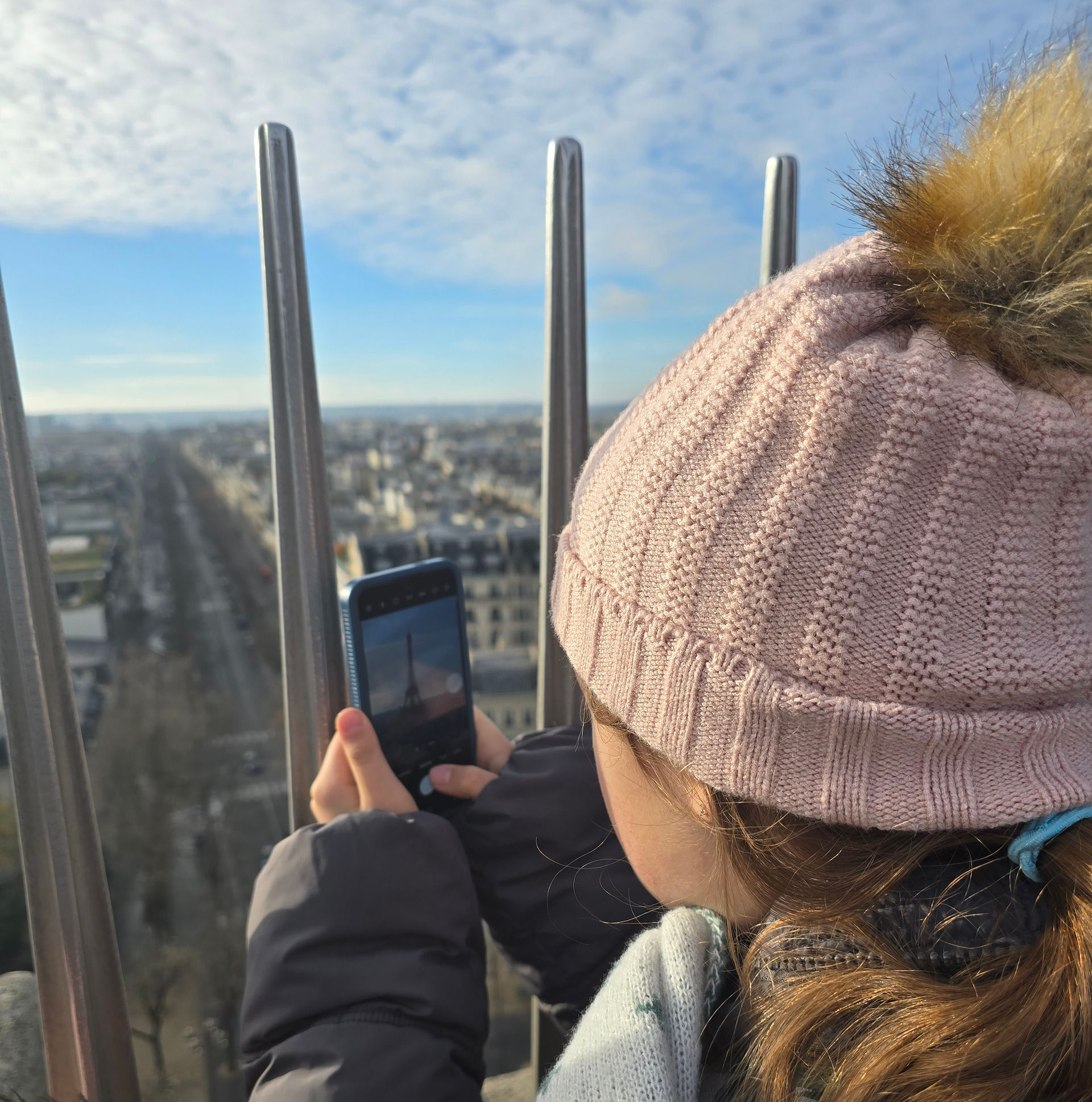
Europe is full of famous sights and must-see destinations.
When starting to plan a European vacation, a lot of people have a huge list of things they want to see. And honestly, I totally understand. If you're already making the long journey, it's hard to cut out important sights. I've been in the same boat more than once.
On one of our last trips back to Europe, we decided to take our girls to Paris for a few days before spending Christmas with my parents. Both my husband and I had been to Paris before - I was a child myself the last time I was there—but the girls had never been. So naturally, we wanted to see as much as possible while also visiting at least one museum. But three full days are nowhere near enough to see it all. So we had to make some decisions.
Versailles and Disneyland were the first things off the list, simply because they would each take too much time on their own. The Arc de Triomphe, Eiffel Tower, and Sacré-Cœur stayed on the list, while we had to skip going inside Notre Dame, which had reopened to the public just the weekend we were in Paris. There were simply too many people who wanted to go inside. And of the many amazing museums in Paris, we had to settle on one because time simply didn't allow for more.
It was still an amazing trip, and we left with the intention to come back and see the rest.
When Travel Becomes a Checklist
Especially short stays, such as my family's visit to Paris, are in danger of becoming a checklist to tick off, which can quickly make a trip stressful.
Have you ever picked up a travel guide or Googled a city you were planning to visit and wondered how to fit everything into one trip? It doesn't even have to be Europe. It could just as easily be a city here in the United States. You start making a list of the places you would like to see, the things you want to experience, and maybe even the restaurants you want to eat at. Before you know it, you're creating a schedule. Every minute of the days you have there is planned down to the minute so everything somehow fits in.
And what should have been a fun trip to get away has unintentionally become busier and more stressful than an ordinary day at home.
I remember, as a child growing up in a tourist hotspot, watching groups of tourists rushing from one attraction to the next. Most of them had photo or video cameras in front of their faces, trying to capture everything to relive at home or share with their loved ones. I also remember wondering how much of the city they truly saw. How much would they remember without relying on their photos and videos?
What You Gain by Slowing Down
Now, years later, as a travel agent, I sometimes find myself wondering the same thing when a client brings me a long list of all the things they want to do - especially when that list, combined with the amount of time they have to travel, would turn the trip into a checklist.
But slowing down and allowing for a little bit of unplanned time can do so much for a trip.
It allows you to linger just a little longer at a sight that absolutely fascinates you. It allows you to leave the expensive main streets and find a quaint restaurant frequented more by locals than by other tourists. It means you don't have to stress if something takes a little longer than you thought it would.
And it allows you to rest in between, because traveling is tiring, both physically and mentally.
You Don't Have to Skip the Famous Sights
Slowing down your trip and allowing for intentional little breaks doesn't mean you have to leave out the famous sights or have an entire afternoon unplanned. It means taking the time to look at that list of things to see and experience you made when you first started dreaming about this trip.
Is everything on this list really equally important to you?
Are there things on the list that would take a lot of time to get to?
Are there activities or sights that would not be interesting or appropriate for everyone in your travel group?
Are there sights that would be nice to see, but if it doesn't happen, wouldn't take away from the overall success of the trip?
Going back to the Paris trip I took with my own family, those very questions determined our schedule. They are the reason Disneyland and Versailles didn't make it into our itinerary - they were simply too time-consuming for the limited amount of time we had in Paris.
The same was true for Notre Dame. We would have loved to go inside, but because it had just reopened after the devastating fire in 2019, it was incredibly busy, and you couldn't really linger to take a closer look.
So while it would have been nice to see the inside, not seeing it didn't take away from our experience.
Make the Trip Yours
I have already hinted at this point with some of the questions I suggested you ask yourself when making your list of things to see and do on your trip. Make the trip yours. Tailor it to your interests and the interests of those traveling with you. Take into account what everyone needs. How long can everyone comfortably walk before needing to sit down and rest? Does everyone enjoy the same kinds of activities? Are there things that one person in your group is especially excited about while others might happily skip them? Your trip doesn't have to look like someone else's. There isn't one single right itinerary. Your trip has to work for you and your travel group. It needs to match your interests and your situation.
So hit all those famous sights if they are important to you. But don't be afraid to only see them from the outside or from a distance, or to leave one completely off the itinerary if it doesn't fit your group.
Leave Room for the Experience
Remember, a trip isn't measured by how many checkboxes you tick off from some “must-see while in XYZ” list. A trip isn't measured by what others think about it.
A trip is measured by the memories you make while traveling and by how you felt about the experience.
So when planning your next adventure, take the time to think about what is really important to you.
What would be a deal breaker if you had to skip it? What are you genuinely interested in? What do you want to remember about this trip when you're back home?
You don't have to see everything.
A thoughtfully planned itinerary built around your needs and wants is worth more than checking off every single sight in a destination. And the itinerary that worked perfectly for your friends doesn't have to be a great fit for you. Give yourself permission to leave something for next time - and leave room for the experiences you might not have planned at all.